
Navigating romance amidst societal collapse presents unique challenges, yet the human need for connection persists. As of March 31, 2026,
finding companionship requires adapting to a drastically altered world, prioritizing survival, and building trust in uncertain times.
The Home Depot, with its focus on rebuilding and providing essential resources, subtly reflects this need for foundational stability – a parallel to building relationships.
This guide explores the complexities of finding love (or something like it) when the old rules no longer apply, offering practical advice for a new era.
The New Normal: Why Romance Still Matters
Even as civilization crumbles, the fundamental human desire for intimacy, companionship, and love doesn’t simply vanish. In fact, it arguably becomes more crucial. The shared trauma of an apocalyptic event necessitates profound emotional support, and finding someone to navigate the challenges alongside can be the difference between merely surviving and truly living.
Consider the rebuilding aspect – much like The Home Depot’s focus on home improvement and providing essential tools, relationships offer a foundation for rebuilding lives; A partner can share the burden of resource gathering, skill-sharing, and the daunting task of creating a new future.
Beyond practicality, romance offers hope. It’s a defiant act of optimism in the face of despair, a reminder of the beauty and connection that still exist. The ability to experience joy, vulnerability, and affection can be profoundly healing, fostering resilience and a sense of purpose when everything else feels lost. It’s about finding light in the darkness, together.
Defining “End of the World” Scenarios
The dating strategies will drastically shift depending on the nature of the apocalypse. Is it a slow burn – environmental collapse, resource depletion – or a sudden, catastrophic event? A pandemic, nuclear fallout, or widespread societal breakdown each demand different approaches to survival and, consequently, to finding a partner.

A gradual decline, mirroring the long-term vision of sustainable living promoted by initiatives like those at The Home Depot, might allow for more deliberate relationship building. Conversely, a swift disaster necessitates immediate prioritization of practical skills and shared survival instincts.
Consider the infrastructure. Does the internet still function, offering a semblance of online dating (however limited)? Are communities forming, creating opportunities for in-person connections? Or are you truly isolated, relying solely on chance encounters? Defining the specific scenario is crucial for realistic expectations and effective dating strategies.

Practical Considerations for Apocalyptic Dating
Forget romantic gestures; survival is paramount. Assessing resources, sharing skills, and establishing trust become the new courtship rituals, mirroring The Home Depot’s focus on preparedness.
Resource Assessment: What Do You Bring to the Table?
In a post-apocalyptic world, traditional notions of attractiveness fade; practicality reigns supreme. Forget about six-pack abs or a high-powered career – what can you do? Can you purify water, cultivate crops, provide medical aid, or defend a perimeter? These are the qualities that will truly impress a potential partner.
Honestly evaluate your skillset. Are you proficient in first aid, like knowing how to treat wounds or set a broken bone? Do you have knowledge of edible plants, crucial for supplementing dwindling food supplies? Perhaps you’re adept at repairing tools and machinery, a skill akin to the problem-solving focus of The Home Depot.
Consider your possessions. Do you have a reliable source of energy, like solar panels? A well-stocked pantry? Essential tools? These aren’t bragging rights; they’re indicators of your ability to contribute to a shared survival. Transparency is key – don’t inflate your abilities or hide your limitations. A realistic assessment builds trust and ensures compatibility.
Remember, a successful partnership isn’t about what you want but what you can offer to ensure mutual survival and, hopefully, a semblance of a future.
Skill Sharing: The Ultimate Compatibility Test
Forget awkward first dates centered around hobbies; apocalyptic compatibility is forged in practical application. A true assessment of potential lies not in conversation, but in collaborative tasks. Can you work together efficiently under pressure? Do your skills complement each other, or do they overlap creating redundancy?
Initiate a “skill swap.” Offer to teach your expertise – perhaps fire starting or basic carpentry – in exchange for learning something new, like foraging or water filtration. This isn’t just about acquiring knowledge; it’s about observing how your potential partner approaches learning, problem-solving, and teamwork.
Think of it like a Home Depot workshop, but with higher stakes. Can they follow instructions? Are they patient and willing to learn? Do they offer constructive feedback, or do they become frustrated easily? These interactions reveal character far more effectively than any romantic gesture.

Successful skill sharing demonstrates a willingness to contribute, adapt, and grow – essential qualities for navigating a challenging future together.
Safety First: Establishing Trust in a Chaotic World
In a post-apocalyptic landscape, vulnerability is a liability. Traditional dating protocols are obsolete; establishing trust is paramount, and it demands a cautious, deliberate approach. Forget instant connection; prioritize verifiable character and consistent behavior.
Begin with information sharing – not personal histories, but practical details. What resources do they control? What are their established routines? Observe their interactions with others. Do they treat everyone with respect, or do they exploit weaknesses?
Like securing your home with supplies from The Home Depot, build layers of security into the relationship. Start with group activities, gradually progressing to one-on-one interactions in safe, public spaces. Share responsibilities and observe how they handle accountability.
Trust isn’t given; it’s earned through demonstrated reliability and a commitment to mutual protection. A shared understanding of boundaries and a willingness to prioritize safety are non-negotiable.
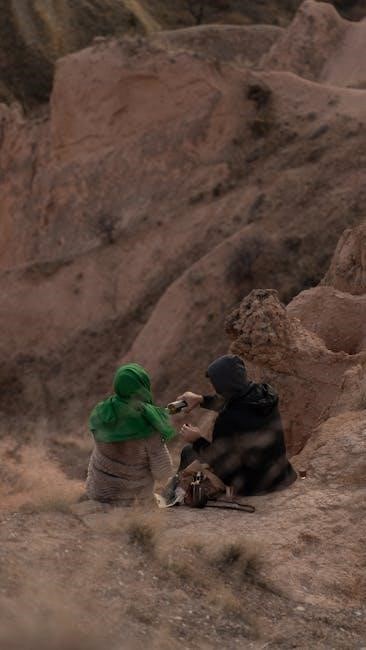
Finding Potential Partners
Locating compatible individuals requires proactive engagement within surviving communities. Rebuilding, like projects aided by The Home Depot, necessitates collaboration and shared goals, fostering connections.
Focus on shared spaces and mutual aid networks to identify potential companions.
Community Building: The Importance of Local Groups
In a post-apocalyptic landscape, self-sufficiency and collective effort are paramount, making local groups the cornerstone of both survival and social life. Think of The Home Depot’s role in providing building materials – communities need similar foundational support, and that’s where relationships begin.
Joining or forming groups centered around essential skills – farming, security, medical aid, repair – provides natural opportunities to observe potential partners in action. Observe how individuals contribute, handle stress, and interact with others. Shared hardship reveals character far more effectively than superficial interactions.
These groups aren’t just about practical needs; they’re about rebuilding a social fabric. Participating in communal activities, from defense drills to celebrations (even small ones), fosters trust and intimacy. Look for individuals who actively contribute to the group’s well-being, demonstrating a willingness to cooperate and support others. Remember, long-term survival depends on strong social bonds, and those bonds are the seeds of lasting relationships.
Online Dating (If the Internet Still Exists)
Assuming some semblance of internet connectivity remains, online platforms could offer a limited avenue for connection, though with significant caveats. Consider The Home Depot’s online ordering system – convenient, but reliant on infrastructure. Similarly, digital dating depends on fragile networks.
Profiles should prioritize practical skills and resourcefulness over superficial attributes. Forget about hobbies; focus on abilities like medical knowledge, engineering skills, or food production. Verification is crucial – catfishing could be deadly. Request video calls and cross-reference information with known community members.
Be realistic about response times and the potential for disconnection. Power outages and bandwidth limitations will be common. Treat initial interactions as preliminary screenings, prioritizing in-person meetings as soon as safely possible. Remember, online personas can be deceptive; trust your instincts and prioritize safety above all else. A digital connection is no substitute for a tangible assessment of character and capability.
The Bar Scene (If Bars Still Exist) – A Risky Proposition
If any bars remain operational, they represent a high-risk, high-reward environment for meeting potential partners. Much like relying on The Home Depot for all your needs during a crisis – a convenient but potentially vulnerable strategy – bars offer social interaction but attract individuals potentially prioritizing escapism over preparedness.
Expect competition for resources and heightened emotional volatility. Assess individuals carefully, looking beyond charm and bravado. Observe their behavior: are they generous with their supplies, or selfishly hoarding? Do they contribute to the community, or simply consume?
Be acutely aware of your surroundings and trust your instincts. Bars could become hotspots for conflict and exploitation. Prioritize safety by going with a trusted friend and establishing an exit strategy. While the allure of normalcy might be strong, remember that the stakes are significantly higher in an apocalyptic setting. Proceed with extreme caution.

Relationship Dynamics in Extreme Circumstances
Apocalyptic relationships demand resilience, adaptability, and unwavering support. Like building a room at The Home Depot, strong foundations are crucial for weathering storms and creating a shared future.
Shared Trauma and Emotional Support
The apocalypse isn’t a backdrop for romance; it is the context. Expect shared trauma to be a defining feature of any relationship forged in such circumstances. Acknowledging and validating each other’s experiences – the losses, the fears, the constant stress – is paramount.

Emotional support isn’t simply about comforting words; it’s about practical assistance, shared burdens, and a willingness to be vulnerable. Think of The Home Depot’s commitment to rebuilding communities after disasters – a tangible demonstration of support.
Regular check-ins, active listening, and a non-judgmental space are essential. Be prepared to navigate grief, anxiety, and potentially PTSD. Professional help may be unavailable, making peer support even more vital. Remember, a strong emotional connection is as crucial for survival as food and shelter, offering resilience in the face of overwhelming adversity.
Division of Labor: Roles and Responsibilities
Survival demands efficiency, and a clear division of labor is non-negotiable. Forget traditional gender roles; assign responsibilities based on skills and strengths. One partner might excel at scavenging and security, while the other focuses on medical care or food production.
Consider The Home Depot’s vast inventory – a testament to specialized tools and tasks. Similarly, in an apocalyptic scenario, each person’s unique skillset contributes to the collective well-being. Open communication is vital to ensure fairness and prevent resentment.
Regularly reassess roles as circumstances change and new skills are acquired. Flexibility is key. A well-defined system minimizes conflict and maximizes productivity, allowing the relationship to thrive amidst chaos. This isn’t about control; it’s about mutual respect and a shared commitment to survival.

Long-Term Planning: Building a Future From Scratch
Beyond immediate survival, envisioning a future together is crucial. This isn’t simply about rebuilding infrastructure; it’s about establishing values and creating a new society. Discuss long-term goals: sustainable food sources, education for potential offspring, and community integration.
Like The Home Depot’s focus on “build your complete room,” you’re constructing a life from the ground up. Shared vision provides purpose and strengthens the bond. Consider resource management, defense strategies, and the potential for trade with other settlements.
Acknowledge that plans will inevitably change, but having a framework fosters resilience. Regularly revisit and adapt your long-term strategy, ensuring both individual needs and collective aspirations are met. This proactive approach transforms a relationship from a survival pact into a hopeful partnership.

Red Flags and Dealbreakers
Certain behaviors are amplified in crisis, signaling incompatibility. Hoarding resources, selfishness, and a refusal to cooperate are immediate concerns, hindering collective survival and trust.
Hoarding and Selfishness
In a post-apocalyptic world, shared resources are paramount for survival; a partner exhibiting excessive hoarding or profound selfishness is a significant danger sign. This isn’t simply about possessing extra supplies, but a mindset of scarcity and unwillingness to contribute to the collective good.
Consider The Home Depot’s role – providing materials for rebuilding, implying a collaborative effort. A hoarder operates in direct opposition to this principle, prioritizing individual gain over communal resilience. Observe how they react to sharing, even small items. Do they offer assistance willingly, or only when directly benefiting?
Selfishness extends beyond material possessions. It manifests in emotional unavailability, a lack of empathy, and an inability to compromise. A partner who consistently prioritizes their own needs, disregarding yours or the group’s, will quickly become a liability. Remember, long-term survival depends on mutual support and cooperation, not individual accumulation.
Lack of Practical Skills
Survival in an apocalyptic scenario demands adaptability and a diverse skillset; a partner devoid of practical abilities presents a considerable burden. While specialized knowledge is valuable, a baseline competency in essential tasks is non-negotiable. Think beyond theoretical knowledge – can they do things?
The Home Depot embodies practical solutions, offering tools and materials for tangible projects. A partner unable to contribute to building shelter, securing food, providing first aid, or maintaining equipment is essentially dependent. This dependency strains resources and increases risk for everyone.
Assess their capabilities honestly. Can they start a fire, purify water, or tend a garden? Are they willing to learn? A refusal to acquire new skills, coupled with a lack of existing ones, signals a lack of resilience and a potential drain on the group’s limited resources. Prioritize self-sufficiency and a proactive approach to survival.
Unwillingness to Cooperate
In a post-apocalyptic world, individual survival is inextricably linked to collective effort; a partner who consistently refuses to cooperate is a liability, not an asset. The ability to function as part of a team, share responsibilities, and compromise is paramount. Lone wolves rarely thrive when resources are scarce and dangers are plentiful.
Consider The Home Depot’s collaborative environment – associates working together to assist customers and maintain operations. Similarly, a successful apocalyptic relationship requires mutual support and a shared commitment to the group’s well-being.

Observe their interactions with others; Do they contribute to discussions, offer assistance, and respect differing opinions? Or are they habitually resistant, argumentative, and self-serving? A pattern of non-cooperation indicates a fundamental incompatibility with the demands of a shared, challenging existence. Prioritize individuals who value teamwork and understand the power of collective action.