Everlast Stick Welder Manual: A Comprehensive Guide
Everlast provides detailed manuals for their stick welders, covering setup, operation, troubleshooting, and maintenance, ensuring optimal performance and safety for users.
Everlast Stick Welders represent a robust and versatile solution for a wide range of welding applications, from home repairs to professional fabrication. These machines are designed with inverter technology, offering portability, efficiency, and consistent arc performance. Everlast caters to diverse needs with models like the PowerArc 140ST, 255ST, and PowerPro 205ST, each offering unique capabilities.
Understanding your Everlast stick welder begins with familiarizing yourself with the included manual. Everlast emphasizes the importance of reading the manual carefully before operation, as it contains crucial safety information, setup instructions, and operational guidelines. These welders are built for DC SMAW (Shielded Metal Arc Welding), commonly known as stick welding, and are known for their reliability and user-friendly features.
Understanding Stick Welding Basics
Stick welding, or Shielded Metal Arc Welding (SMAW), utilizes a consumable electrode coated in flux to create the weld. The flux shields the weld pool from atmospheric contamination. Everlast stick welders excel in this process, providing the necessary power and control. Key elements include amperage, which controls heat input, and polarity, influencing penetration.
Selecting the correct electrode is vital; different electrodes suit various metals and thicknesses. Proper arc striking requires a quick flick of the wrist to initiate contact. Maintaining a consistent arc length is crucial for weld quality. Everlast manuals detail electrode selection and techniques. Understanding these basics, alongside safety precautions, ensures successful and safe stick welding with your Everlast machine.
Safety Precautions for Stick Welding
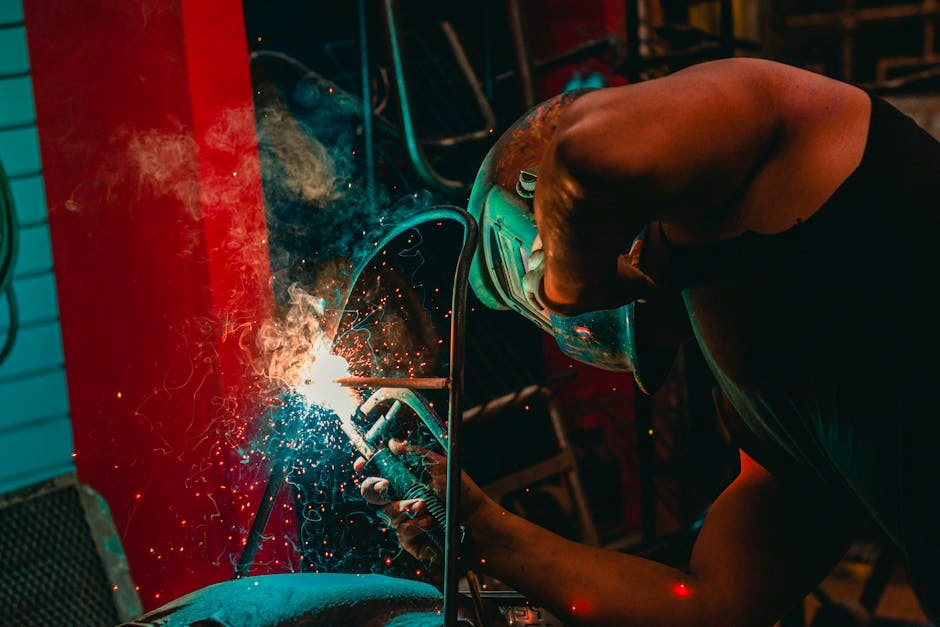
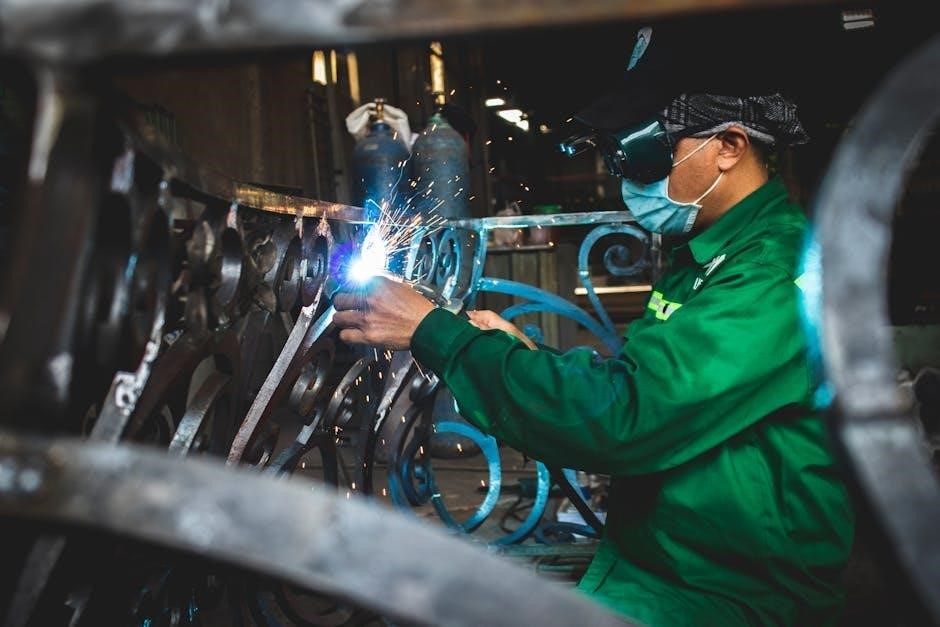
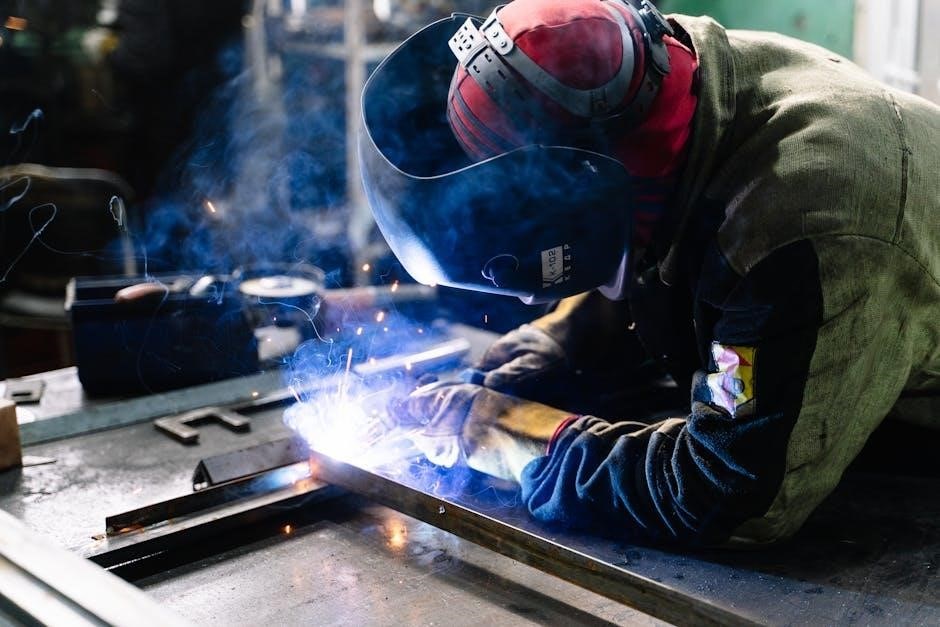
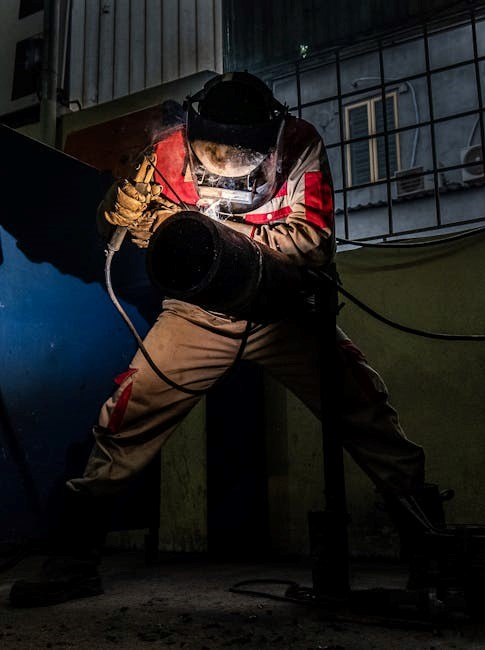
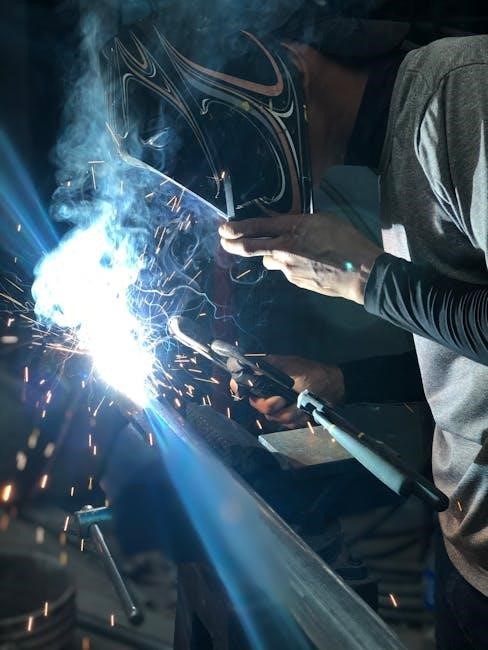
Stick welding presents inherent hazards; prioritizing safety is paramount. Always wear a welding helmet with the correct shade to protect your eyes from intense UV radiation. Protective clothing, including gloves, a jacket, and trousers, shields skin from burns and sparks. Ensure adequate ventilation to avoid inhaling fumes generated during the process.
Everlast manuals emphasize the importance of grounding the welder and work piece to prevent electric shock. Inspect cables for damage before each use. Never weld near flammable materials. Be mindful of hot metal and slag. Following these precautions, detailed in your Everlast guide, minimizes risks and promotes a safe welding environment.
Everlast Stick Welder Models
Everlast offers diverse stick welder models like PowerArc 140ST, 255ST, and PowerPro 205ST, catering to various welding needs and skill levels.
PowerArc 140ST
The Everlast PowerArc 140ST is a portable and versatile DC stick welder, ideal for home DIYers, maintenance, and light fabrication work. This inverter welder boasts a user-friendly interface and delivers smooth, stable arcs for various electrode types. It features advanced functions like VRD (Voltage Reduction Device) enhancing operator safety.
Its compact design and lightweight build make it easily transportable to different job sites. The 140ST is capable of welding up to 3/8” steel, offering sufficient power for many common projects. Everlast emphasizes careful reading of the manual before operation, detailing specifications and safety guidelines for optimal performance. It’s a reliable choice for beginners and experienced welders alike.
PowerArc 255ST
The Everlast PowerArc 255ST is a robust and powerful DC stick welder designed for more demanding applications. This inverter welder excels in handling thicker materials and extended welding sessions. It’s suitable for farm repairs, automotive work, and heavier fabrication projects. Like other Everlast models, the 255ST prioritizes safety with features like VRD.
The manual details its ability to weld up to ½” steel with the correct electrodes. It offers precise control over amperage settings, ensuring optimal weld quality. Its durable construction and reliable performance make it a valuable asset for professionals and serious hobbyists. Everlast recommends reviewing the manual thoroughly before use to understand its full capabilities.
PowerPro 205ST
The Everlast PowerPro 205ST is a versatile and portable DC stick welder, ideal for a wide range of applications. This multi-process inverter can handle stick welding, TIG, and plasma cutting with optional accessories. The manual emphasizes its user-friendly interface and compact design, making it suitable for both beginners and experienced welders.
It’s capable of welding up to 3/8” steel, offering sufficient power for many common projects. Everlast highlights the 205ST’s advanced features, including pulse settings and VRD (Voltage Reduction Device) for enhanced safety. The manual provides detailed instructions on setting up and operating the welder, ensuring optimal performance and weld quality.

Setting Up Your Everlast Stick Welder
Proper setup, as detailed in the manual, involves securely connecting the work clamp, electrode holder, ensuring correct power sourcing, and grounding.
Connecting the Work Clamp and Electrode Holder
Before operation, firmly attach the work clamp to the workpiece, ensuring a clean, solid metal-to-metal connection for optimal current flow. The Everlast manual emphasizes the importance of a secure clamp to prevent voltage drops and inconsistent welds. Similarly, securely insert the electrode into the electrode holder, guaranteeing sufficient grip to maintain consistent contact during welding.
Use a 17 series TIG torch with a remote switch, electrode holder with a 10ft cable, and work clamp for connections. Always inspect cables for damage before each use, as outlined in the manual. Proper connection is crucial for safe and effective stick welding with your Everlast unit.
Power Source and Grounding
Everlast stick welders require a dedicated, properly grounded power source to ensure safe operation and prevent electrical shock. The manual details specific voltage requirements for each model – typically 120V or 240V – so confirm compatibility before connecting. A dedicated circuit is recommended to avoid tripping breakers during high amperage welding.
Grounding is paramount; connect the welder’s ground terminal to a known, effective earth ground. This provides a safe path for fault current, minimizing risk. Regularly inspect grounding connections for corrosion or looseness, as detailed in the manual, to maintain a secure electrical pathway.
Selecting the Correct Electrode
Everlast stick welder manuals emphasize the importance of electrode selection for optimal weld quality. The appropriate electrode type and diameter depend on the metal being welded, its thickness, and the desired weld characteristics. Common electrodes include 6013, 7018, and 7014, each suited for different applications.
The manual provides charts correlating material type and thickness to recommended electrode sizes. Using the correct amperage setting, as guided by the manual, is crucial for successful electrode performance. Incorrect electrode choice can lead to porosity, lack of fusion, or poor weld appearance; always consult the manual for guidance.
Operating Your Everlast Stick Welder
Everlast manuals detail proper operation, including amperage adjustment, polarity selection, and arc striking techniques for consistent, high-quality stick welds.
Adjusting Amperage
Everlast stick welders require precise amperage settings for optimal results. The manual emphasizes matching amperage to electrode diameter and material thickness. Lower amperage is suitable for thinner metals, preventing burn-through, while higher amperage tackles thicker materials, ensuring adequate penetration.
Generally, a rule of thumb suggests approximately 1 amp per 0.001 inch of electrode diameter. For example, a 3/32-inch electrode (0.093 inches) would start around 93 amps. However, the manual stresses that this is a starting point, and adjustments are crucial based on welding position, joint design, and desired weld characteristics.
Experimentation and practice, guided by the manual’s recommendations, are key to mastering amperage control and achieving strong, clean welds with your Everlast machine.
Understanding Voltage and Polarity
Everlast stick welders typically operate on DC voltage, but understanding polarity is crucial. DCEN (Direct Current Electrode Negative), also known as straight polarity, is most common for stick welding. This directs the negative charge to the electrode and positive to the workpiece, providing deeper penetration.
DCEP (Direct Current Electrode Positive), or reverse polarity, is less frequently used with stick electrodes but can be beneficial for certain applications. The manual details when to utilize reverse polarity, often for specific electrode types.
While many Everlast models automatically manage voltage based on amperage settings, the manual clarifies how voltage impacts arc characteristics and weld quality. Proper polarity selection, as outlined in the manual, is vital for successful welds.
Strike Arc Techniques
Everlast stick welders offer both Lift-Arc and HF (High Frequency) start options, detailed in your manual. Lift-Arc mimics a traditional scratch-start method – gently touch the electrode to the workpiece, then lift slightly to initiate the arc. This is ideal for beginners and various environments.
HF start provides a non-contact arc initiation, beneficial for sensitive materials or when cleanliness is paramount. The manual explains how to adjust HF frequency for optimal performance. Mastering these techniques ensures a stable arc.
Consistent striking is key; the manual emphasizes maintaining a consistent arc length and travel speed for uniform welds. Practice these techniques to achieve clean, strong, and reliable results with your Everlast welder.
Advanced Features & Settings
Everlast stick welders boast features like VRD, pulse settings, and selectable start modes (HF/Lift-Arc), enhancing control and weld quality.
VRD (Voltage Reduction Device) Functionality
Everlast stick welders often incorporate a Voltage Reduction Device (VRD) for enhanced safety. This crucial feature automatically reduces the open-circuit voltage when the welding arc is not active, significantly minimizing the risk of electric shock. When an arc isn’t present, VRD lowers the voltage, protecting the operator from potentially dangerous levels.
The VRD function is particularly beneficial in damp or confined environments where accidental contact with the electrode is more likely. It’s a vital safety component, especially for beginners or those working in challenging conditions. Refer to your specific model’s manual to understand how to enable or disable the VRD function, as it may impact arc starting characteristics.
Pulse Settings for Stick Welding
Certain Everlast stick welders offer pulse settings, providing greater control over the welding process and improving weld quality, particularly on thinner materials. Pulse welding alternates between a high peak current and a low background current. This reduces heat input, minimizing distortion and burn-through. The pulse frequency and duty cycle (percentage of time at peak current) are adjustable parameters.
Utilizing pulse settings can create a visually appealing “stacked dime” weld bead. Consult your manual for specific pulse parameter recommendations based on electrode type, material thickness, and desired weld characteristics. Experimentation is key to mastering pulse welding and achieving optimal results with your Everlast machine.
HF Start vs. Lift-Arc Start
Everlast stick welders often feature two primary arc starting methods: High Frequency (HF) and Lift-Arc. HF start utilizes a high-voltage spark to initiate the arc, offering a hands-free starting experience, ideal for TIG welding but sometimes available on multi-process units. Lift-Arc, conversely, requires the welder to gently lift the electrode while pressing the torch button, creating the arc.
Lift-Arc is generally preferred for environments sensitive to HF interference, like near medical equipment. It’s also considered more forgiving for beginners. Your manual will detail which start method your model employs and provide guidance on proper technique for each, ensuring a clean and reliable arc initiation every time.
Troubleshooting Common Issues
Everlast manuals detail solutions for problems like the welder not powering on, unstable arcs, or electrodes sticking, aiding quick repairs and uptime.
Welder Not Turning On
If your Everlast stick welder fails to power on, first verify the power source is functioning correctly with another device. Inspect the power cord for any visible damage, such as cuts or exposed wires, and ensure it’s securely connected to both the welder and the outlet.
Check the circuit breaker or fuse box; a tripped breaker or blown fuse will prevent operation. Consult your Everlast manual for specific fuse ratings. Examine the on/off switch itself – it may be faulty. Some models feature a voltage reduction device (VRD) which, if malfunctioning, could inhibit startup.
Finally, review the manual’s troubleshooting section for model-specific diagnostic steps, as internal components might require professional attention if these basic checks don’t resolve the issue.
Poor Arc Stability
Experiencing an unstable arc with your Everlast stick welder often points to incorrect amperage settings; adjust according to electrode type and material thickness, referencing your manual. Grounding issues are a frequent cause – ensure a clean, secure connection to the workpiece. Contaminated metal surfaces, like rust, paint, or mill scale, disrupt the arc, requiring thorough cleaning with a wire brush.
Incorrect polarity can also lead to instability; verify the correct setting based on the electrode used. A worn or damaged electrode can contribute to a sputtering arc, necessitating replacement.
Finally, consult your Everlast manual for specific troubleshooting steps related to arc force control and potential internal component issues.
Electrode Sticking
Electrode sticking is a common issue with stick welding, and your Everlast manual offers solutions. Typically, it indicates the amperage is set too low for the electrode diameter and material thickness. Increasing the amperage often resolves this, but consult the manual’s amperage chart for guidance.
Moisture contamination on the electrode is another culprit; ensure electrodes are stored in a dry environment and, if necessary, baked to remove moisture. A poor ground connection can also cause sticking, so verify a clean, secure clamp connection.
Finally, incorrect arc starting technique or attempting to weld on a dirty surface can contribute to the problem.
Maintenance and Care
Regular cleaning, cable inspection, and proper storage, as detailed in your Everlast manual, are crucial for extending the welder’s lifespan and performance.
Cleaning the Welder
Maintaining a clean Everlast stick welder is paramount for optimal performance and longevity. Dust, spatter, and debris can accumulate internally and externally, leading to overheating and potential malfunctions. Regularly inspect the welder’s exterior with a dry cloth to remove surface contaminants.
For internal cleaning, disconnect the power source and allow the unit to cool completely. Use compressed air to blow out dust from ventilation ports and internal components, being careful not to damage sensitive parts. Avoid using liquids or solvents unless specifically recommended in your manual, as these can cause corrosion or electrical hazards. Pay particular attention to cleaning around the cooling fan to ensure efficient heat dissipation. A clean welder operates more efficiently and reliably, reducing the risk of unexpected downtime.
Inspecting Cables and Connections
Regularly inspecting the cables and connections of your Everlast stick welder is crucial for safe and efficient operation. Examine the electrode and work clamp cables for any signs of damage, such as cracks, fraying, or exposed wires; Damaged cables pose a serious electrical shock hazard and must be replaced immediately.
Check all connections – at the welder, electrode holder, and work clamp – to ensure they are tight and free from corrosion. Loose connections can cause unstable arcs and reduced welding performance. Clean corroded connections with a wire brush or sandpaper before re-tightening. Always disconnect the power source before performing any inspection or maintenance. Prioritizing cable and connection integrity ensures a safe and reliable welding experience.
Proper Storage
To prolong the life of your Everlast stick welder, proper storage is essential. Always store the welder in a clean, dry environment, protected from dust, moisture, and extreme temperatures. Covering the welder with a protective cover will help prevent dust accumulation and potential damage.
Coil the electrode and work clamp cables neatly and securely to prevent tangling and strain. Ensure the storage area is free from flammable materials. Before long-term storage, disconnect the power cord and remove any accessories. Regularly checking the storage environment will help maintain the welder’s condition and ensure it’s ready for use when needed, maximizing its lifespan and performance.
Everlast Welder Manual Resources
Everlast offers readily accessible manuals and diagrams online, alongside dedicated support channels to assist users with their welder operations.
Locating Your Specific Model’s Manual
Finding the correct manual for your Everlast stick welder is crucial for safe and effective operation. Everlast Power Equipment INC. provides a comprehensive resource library on their official website. Begin by identifying your specific welder model number, typically found on the machine’s nameplate.
Navigate to the “Product Manuals” section of the Everlast website. From there, you can filter by welder type – selecting “Stick Welders” – and then browse or search for your exact model. Downloadable PDF versions of the manuals are readily available. These manuals contain detailed instructions, safety precautions, troubleshooting guides, and specifications tailored to your particular Everlast stick welder. Always refer to the manual specific to your model for accurate information.
Understanding Manual Diagrams
Everlast welder manuals utilize diagrams to illustrate key components, connections, and operational procedures. These visual aids are essential for understanding the welder’s internal workings and performing maintenance tasks. Pay close attention to diagrams depicting the work clamp and electrode holder connections, ensuring correct polarity and secure attachments.
Schematic diagrams outline the electrical circuitry, helpful for advanced troubleshooting. Exploded views detail the assembly of parts, aiding in repairs. Familiarize yourself with the symbols used in these diagrams – often explained in a legend within the manual. Understanding these diagrams empowers you to confidently diagnose issues and maintain your Everlast stick welder, extending its lifespan and ensuring optimal performance.
Contacting Everlast Support
If you encounter issues not addressed in your Everlast stick welder manual, or require further assistance, Everlast provides multiple avenues for support. Begin by visiting the official Everlast Power Equipment website for a comprehensive FAQ section and troubleshooting guides. You can often find answers to common questions and solutions to typical problems online.
For more personalized help, Everlast offers direct customer support via phone and email. Check your manual for specific contact details, as these may vary depending on your model. When contacting support, have your welder’s model number and serial number readily available to expedite the process and ensure accurate assistance.