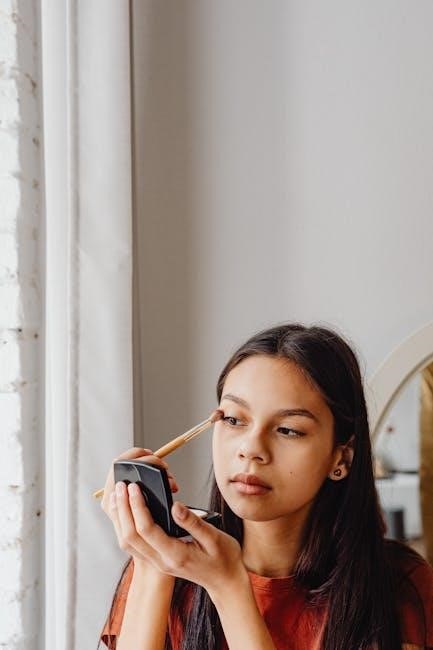
Makeup brushes are essential tools, designed for flawless application and blending of products. They regulate quantity and placement, ensuring a professional finish, and are truly invaluable.
A single brush can empower you to create stunning looks, from smoky eyes to rosy cheeks, making them a vital part of any beauty routine.
These tools are often underestimated, yet they hold the power to elevate your makeup game, offering precision and control for a beautifully polished result.
Why Use Makeup Brushes?
Utilizing makeup brushes offers a level of precision and control unattainable with fingers alone. They allow for targeted application, ensuring product is deposited exactly where desired, minimizing waste and maximizing impact. Brushes expertly blend products seamlessly into the skin, creating a natural, airbrushed finish – something difficult to achieve manually.
Beyond aesthetics, brushes contribute to skin health. Fingers can harbor bacteria, transferring it to the face and potentially causing breakouts. Clean brushes, conversely, promote a hygienic application process. Different brush shapes and densities cater to specific products and techniques, enhancing performance and simplifying complex looks.
A quality brush can truly transform your makeup application, elevating it from amateur to professional. They empower you to build intensity gradually, achieving a customized look tailored to your preferences. Ultimately, brushes aren’t just tools; they’re investments in your beauty routine and skin’s well-being.
The Importance of Brush Quality
Brush quality significantly impacts makeup application and longevity. High-quality brushes boast densely packed bristles, ensuring even product distribution and minimizing streaks. They hold their shape well, providing consistent performance over time, unlike cheaper alternatives that may shed or splay.
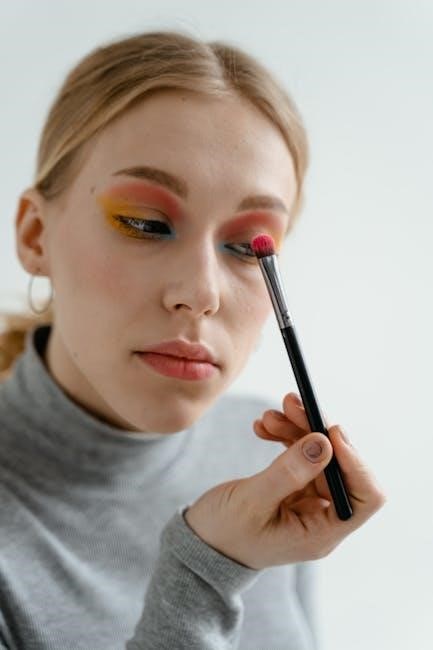
The material of the bristles – natural or synthetic – also plays a crucial role. Natural hair excels with powder products, offering a soft, diffused application, while synthetic fibers are ideal for creams and liquids, preventing absorption and ensuring hygienic use. Investing in quality means fewer brushes needed overall, as they’re more versatile.
Durable, well-made brushes withstand frequent cleaning, maintaining their integrity and preventing bacterial buildup. Ultimately, superior brushes deliver a flawless finish, enhance product performance, and prove a worthwhile investment for any makeup enthusiast.
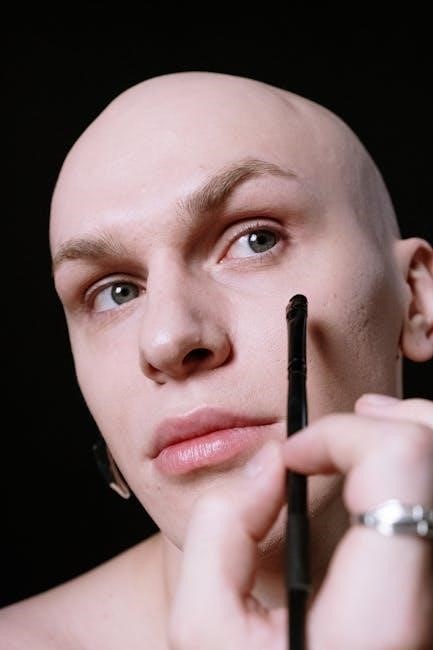
Types of Makeup Brushes
Makeup brushes come in diverse shapes and sizes, categorized by their intended use – face, eyes, and lips – each designed for specific techniques and product applications.
Face Brushes
Face brushes are the workhorses of any makeup collection, handling everything from base products to sculpting and adding color. Foundation brushes, available in flat, round, or stippling shapes, ensure even application of liquid, cream, or powder foundations. For a lighter touch, powder brushes, typically large and fluffy, seamlessly set makeup and control shine.
Adding dimension is where blush brushes come in – angled or rounded, they deposit color onto the cheeks for a healthy flush. Sculpting features relies on contour brushes, often angled and tapered, to define cheekbones and jawlines with shadows. Finally, highlighting brushes, fan-shaped or tapered, precisely apply shimmer to high points of the face, creating a radiant glow. Mastering these brushes unlocks a flawless complexion.
Foundation Brushes
Foundation brushes are pivotal for achieving a smooth, even complexion. They come in diverse shapes, each offering a unique finish. Flat foundation brushes, with their dense bristles, provide full coverage and are ideal for building layers. Round foundation brushes offer medium to full coverage, blending seamlessly for a natural look.
Stippling brushes, featuring duo-fiber bristles, create an airbrushed effect with light to medium coverage, perfect for liquid foundations. Kabuki brushes, short and dense, deliver buildable coverage with a buffing motion. Choosing the right brush depends on your foundation type and desired coverage. For liquids, stippling or round brushes excel, while flat brushes suit creams and powders. Proper application ensures a flawless base for the rest of your makeup.
Powder Brushes
Powder brushes are essential for setting makeup and controlling shine, creating a flawless, long-lasting finish. These brushes typically feature large, fluffy heads with soft bristles. Large powder brushes are ideal for all-over application of setting powder, delivering a light dusting for a natural look. Smaller powder brushes are perfect for targeted application, such as under the eyes to set concealer.
Tapered powder brushes offer more precision, allowing for application in hard-to-reach areas. The key to using powder brushes effectively is a light hand – swirling the brush and gently tapping off excess product before application. This prevents cakeiness and ensures a seamless blend. Choosing a brush with soft, high-quality bristles is crucial for comfortable and even application.
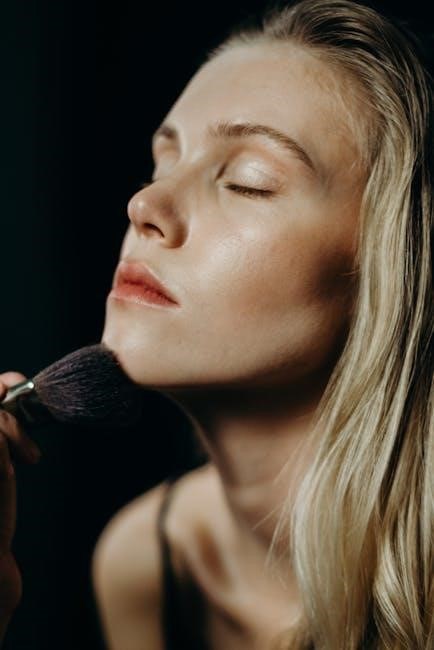
Blush Brushes
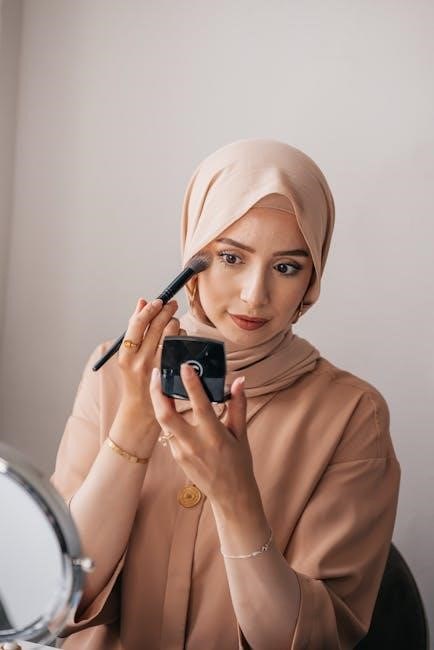
Blush brushes are designed to deposit color onto the apples of the cheeks, adding warmth and dimension to the face. They come in various shapes and sizes, each offering a different effect. Rounded blush brushes provide a softer, more diffused application, perfect for a natural flush. Angled blush brushes offer greater precision, allowing for sculpting and defining the cheekbones.
Tapered blush brushes are versatile and can be used for both subtle and more dramatic looks. When applying blush, start with a small amount of product and build up the intensity gradually. Blend well to avoid harsh lines, sweeping the brush upwards and outwards towards the temples. The right blush brush can significantly impact the overall harmony of your makeup, enhancing your features and creating a healthy glow.
Contour Brushes
Contour brushes are essential for defining facial features and creating the illusion of depth. Typically, these brushes feature angled or tapered shapes, allowing for precise application of contour products – powders, creams, or liquids – to the hollows of the cheeks, jawline, and sides of the nose. A densely packed brush is ideal for building color intensity, while a fluffier brush offers a softer, more blended effect.
The key to successful contouring lies in blending. Use sweeping motions to seamlessly integrate the contour shade with your foundation and other products. Avoid harsh lines by using a clean blending brush to soften the edges. Mastering contouring with the right brush can dramatically reshape your face, enhancing your natural bone structure and creating a sculpted, defined look.
Highlighting Brushes
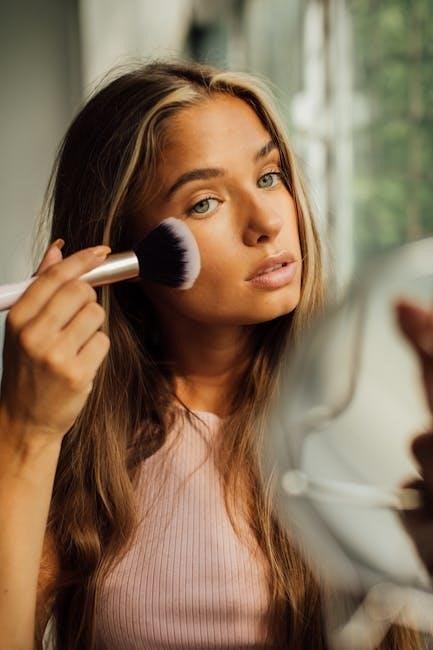
Highlighting brushes are designed to apply shimmer and luminosity to the high points of the face, creating a radiant and sculpted appearance. These brushes generally have a soft, fluffy texture and can vary in size and shape. Fan brushes are excellent for a subtle, diffused glow, while tapered brushes offer more precision for applying highlighter to specific areas like the cheekbones and brow bone.
The application technique is crucial for achieving a natural-looking highlight. Gently sweep the brush across the high points of the face, blending seamlessly into the surrounding skin. Avoid applying too much product, as this can result in a harsh or unnatural look. A well-chosen highlighting brush, combined with the right technique, can instantly brighten your complexion and enhance your features.
Eye Brushes
Eye brushes are a diverse set of tools, each designed for a specific purpose in creating captivating eye looks. They range from large, fluffy brushes for all-over color application to small, precise brushes for detailed work. Mastering these brushes unlocks a world of eyeshadow possibilities, allowing for seamless blending, precise shading, and defined liner application.
The key categories include eyeshadow brushes – encompassing blending, shader, and crease brushes – eyeliner brushes for creating sharp lines, and brow brushes for grooming and defining eyebrows. Investing in a quality set of eye brushes is essential for achieving professional-looking results. Different shapes and densities allow for varied intensity and placement of color, ultimately enhancing the eyes and completing any makeup look.
Eyeshadow Brushes
Eyeshadow brushes are the workhorses of any eye makeup collection, offering a variety of shapes and sizes to achieve diverse looks. They are broadly categorized into blending brushes, shader brushes, and crease brushes, each serving a distinct function. Blending brushes, typically fluffy and tapered, soften harsh lines and create a seamless transition between colors. Shader brushes, often flat and densely packed, deposit color onto the lid with precision.
Crease brushes, with their tapered or pointed shapes, fit perfectly into the eye socket, allowing for targeted application of darker shades to add depth and dimension. The quality of these brushes significantly impacts the final result; softer bristles ensure a smooth application, while well-constructed handles provide control. A comprehensive eyeshadow brush set is crucial for mastering any eye makeup technique.
Blending Brushes
Blending brushes are arguably the most crucial component of any eyeshadow application, responsible for creating a seamless and diffused look. Typically characterized by their soft, fluffy bristles and tapered shape, these brushes excel at softening harsh lines and blending colors together effortlessly. They come in various sizes; larger blending brushes are ideal for overall lid color transitions, while smaller ones offer more precision for detailed work.
The key to successful blending lies in using light, circular motions, gradually building up the color intensity. A high-quality blending brush will pick up and distribute product evenly, preventing patchiness and ensuring a professional finish. Investing in several blending brushes of different sizes and densities allows for maximum versatility and control in achieving any desired eyeshadow effect.
Shader Brushes
Shader brushes are designed for packing color onto the eyelid with intensity and precision. Unlike blending brushes, shader brushes typically have shorter, denser bristles and a flatter shape, allowing for maximum product pickup and controlled application. They are essential for creating vibrant, impactful eyeshadow looks, particularly when working with shimmer or metallic shades.
These brushes are best used with a patting or stamping motion, rather than sweeping, to ensure the color adheres evenly to the lid. Different sizes cater to different areas; smaller shader brushes are perfect for detailed work in the crease or along the lash line, while larger ones cover the entire lid quickly. Proper cleaning is vital, as dense bristles can harbor product buildup, affecting performance.
Crease Brushes
Crease brushes are tapered and fluffy, specifically engineered to fit into the natural contours of the eye socket. Their angled or rounded shape allows for precise placement of eyeshadow within the crease, adding depth and dimension to the eye look. These brushes are crucial for defining the eyes and creating a sculpted appearance, moving away from a flat, one-dimensional finish.
They excel at blending colors seamlessly, softening harsh lines and creating a gradient effect. Different sizes cater to various eye shapes and desired intensities; smaller crease brushes offer more control for subtle definition, while larger ones are ideal for a more dramatic, smoky effect. Using windshield-wiper motions ensures even distribution, and regular cleaning maintains their fluffiness and blending capabilities.
Eyeliner Brushes
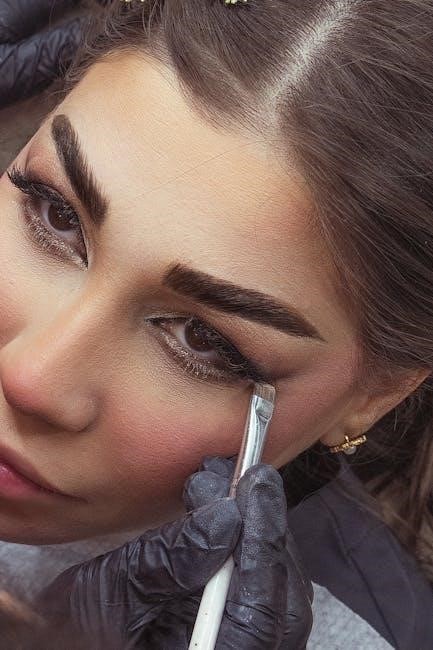
Eyeliner brushes come in a variety of shapes and sizes, each designed for a specific eyeliner application technique. Angled brushes are incredibly versatile, perfect for creating winged liner or filling in the lash line with precision. Fine-tipped brushes excel at detailed work, allowing for intricate designs and sharp lines, ideal for gel or liquid eyeliner.

Flat brushes are often used with cream or gel eyeliners, providing a smooth, even application along the lash line. The bristles’ density and firmness impact the control and intensity of the line. Synthetic bristles are generally preferred for eyeliner brushes, as they don’t absorb product as much as natural hair, offering cleaner application. Regular cleaning is vital to prevent product buildup and maintain precision.
Brow Brushes
Brow brushes are specialized tools crucial for achieving perfectly shaped and defined eyebrows. Angled brushes are the workhorses of brow application, ideal for applying brow powder or pomade with precision, mimicking hair-like strokes for a natural look. Spoolies, resembling mascara wands, are essential for blending and grooming brows, softening harsh lines and distributing product evenly.
Small, stiff brushes are excellent for applying brow gel, ensuring every hair is coated and set in place. Synthetic bristles are often favored for brow brushes due to their ability to pick up and deposit product without absorbing too much. Maintaining clean brow brushes is vital to prevent color transfer and ensure hygienic application. A well-maintained set of brow brushes can dramatically enhance your overall look.
Lip Brushes
Lip brushes are indispensable for precise lipstick application, offering control and definition that a tube alone often can’t achieve. These brushes typically feature small, tapered bristles, allowing for accurate outlining of the lips and filling in the entire area with color. Synthetic bristles are commonly used for lip brushes, as they don’t absorb product as readily as natural hair, ensuring maximum color payoff.
Using a lip brush helps prevent feathering and bleeding, resulting in a long-lasting, polished look. They are particularly useful when working with bold or dark lipstick shades, where precision is key. Cleaning lip brushes regularly is crucial to prevent the spread of bacteria and maintain hygiene. A quality lip brush elevates your lipstick game, delivering professional-level results every time.
Brush Materials
Makeup brushes utilize natural or synthetic hairs, each offering unique benefits. Natural hairs excel with powder, while synthetics are ideal for creams and liquids, ensuring optimal application.
Natural Hair Brushes
Natural hair brushes, traditionally sourced from animals like goats, squirrels, or ponies, are renowned for their exceptional ability to pick up and distribute powder products. This makes them a favorite among makeup artists for applying blush, bronzer, and eyeshadows with a beautifully diffused finish.
The scales on natural hairs naturally grip powder, minimizing fallout and maximizing color payoff. They are particularly well-suited for those with drier skin types, as they don’t absorb as much product, allowing for a more even and buildable application. However, natural hair brushes require more diligent care.
Regular cleaning is crucial to prevent bacteria buildup and maintain their shape and softness. They are also generally more expensive than synthetic alternatives. Common natural hair types include goat (affordable and durable), squirrel (soft and luxurious), and pony (versatile and widely used).
Synthetic Brushes
Synthetic brushes, crafted from man-made fibers like nylon or polyester, have gained immense popularity due to their affordability, durability, and ethical considerations. They are an excellent choice for applying liquid or cream products, as the non-porous fibers prevent absorption and ensure maximum product transfer to the skin.
Unlike natural hair, synthetic brushes don’t require as much intensive cleaning, making them a low-maintenance option. They are also hypoallergenic, making them ideal for sensitive skin. Modern synthetic fibers mimic the softness and performance of natural hair, offering a comparable application experience.
They are particularly well-suited for foundation, concealer, and lipstick. Advancements in technology have led to high-quality synthetic brushes that rival natural hair in terms of blending capabilities and overall performance, offering a cruelty-free alternative.
Brush Care and Cleaning
Regular cleaning extends brush life, prevents bacteria buildup, and ensures optimal performance. Consistent care maintains hygiene and blending quality, vital for flawless makeup application.
How Often to Clean Brushes
Frequency of cleaning depends on brush usage and product type. Daily use necessitates more frequent cleaning than occasional application. Generally, aim to clean frequently used brushes at least once a week.
Brushes used with liquid or cream products, like foundation or concealer, require cleaning after each use to prevent bacterial growth and product hardening. Powder brushes can typically go a bit longer between washes, but should still be cleaned weekly.
Neglecting cleaning leads to product buildup, which compromises brush performance and can cause skin irritation or breakouts. Deep cleaning, removing all traces of makeup, is crucial for maintaining both brush quality and skin health. Consider a more thorough cleaning every two to four weeks, depending on usage.
Don’t forget to also sanitize brushes periodically, especially if you’ve experienced a skin issue, to eliminate any lingering bacteria. Proper cleaning ensures your brushes remain hygienic and effective for a long time.
Cleaning Methods
Two primary methods exist for cleaning makeup brushes: using dedicated brush cleaners or soap and water. Brush cleaners are formulated to effectively dissolve makeup without damaging bristles, offering a quick and convenient option.
For soap and water, choose a mild cleanser – baby shampoo works exceptionally well. Wet the bristles (avoiding the ferrule, where the bristles attach), and gently swirl the brush in the soapy water. Rinse thoroughly until the water runs clear.
Regardless of the method, gently squeeze out excess water and reshape the bristles. Lay brushes flat to dry, preventing water from seeping into the ferrule, which can loosen the glue.
Avoid harsh detergents or rubbing alcohol, as these can strip natural oils and damage bristles. Consistent, gentle cleaning will prolong the life of your brushes and maintain optimal performance.
Using Brush Cleaners
Dedicated brush cleaners offer a swift and effective solution for maintaining brush hygiene. These cleaners are specifically formulated to dissolve makeup residue without causing damage to delicate bristles, both natural and synthetic.
To use, typically spray the cleaner directly onto the brush head, ensuring thorough saturation. Gently massage the bristles with your fingers or a cleaning pad, working to loosen and lift away accumulated product.
Allow the cleaner to sit for a short period, as per the product instructions, before wiping away the dissolved makeup with a clean towel or cloth.
Some brush cleaners are rinse-free, while others require a quick rinse with lukewarm water. Always ensure the brush is completely dry before storing to prevent bacterial growth. Regular use of brush cleaner extends brush lifespan and ensures optimal makeup application.
Washing with Soap and Water
Washing brushes with mild soap and water is a cost-effective and thorough cleaning method. Use a gentle cleanser, like baby shampoo, to avoid stripping the bristles of their natural oils or causing damage.
Wet the bristles with lukewarm water, avoiding submerging the entire brush head, especially where the bristles meet the handle, as this can loosen the glue; Apply a small amount of soap to the bristles and gently massage to create a lather.
Rinse thoroughly under lukewarm water until all traces of soap are removed. Reshape the bristles and lay the brush flat to dry on a clean towel, or hang it upside down to prevent water from running into the handle.
Ensure brushes are completely dry before use to prevent bacterial growth and maintain optimal performance. This method, while requiring more time, provides a deep clean.

Choosing the Right Brushes for Your Needs
Selecting brushes depends on skill level and budget; beginners benefit from versatile sets, while experienced users may prefer individual, specialized tools for precision.
Considering Your Skill Level
For makeup beginners, starting with a comprehensive brush set is highly recommended. These sets typically include a variety of brushes covering essential applications like foundation, eyeshadow, and blush, offering a broad learning experience without a significant investment.
Focus on mastering a few core brushes before expanding your collection. A versatile face brush, a basic eyeshadow brush, and a blending brush are excellent starting points. Don’t feel pressured to immediately acquire every brush available; gradual expansion allows for skill development alongside your toolkit.
Experienced makeup users, on the other hand, often prefer building a curated collection of individual brushes. This approach allows for greater control and precision, catering to specific techniques and desired looks; Investing in high-quality brushes for specialized tasks, such as detailed contouring or intricate eye work, can significantly enhance results. Prioritize brushes that address your unique style and preferences.
Budget-Friendly Options
Excellent makeup brushes don’t necessarily require a hefty price tag. Numerous brands offer affordable sets and individual brushes that deliver impressive performance, making quality accessible to everyone. Synthetic brushes are often a more budget-friendly alternative to natural hair brushes, providing comparable results for many applications.
Look for brushes with durable handles and securely fastened bristles to ensure longevity. Online retailers and drugstore makeup sections frequently feature sales and discounts on brush sets, presenting opportunities to save. Don’t underestimate the value of individual brushes; purchasing only the essentials can be a cost-effective strategy.
Focus on functionality over brand name when seeking budget-friendly options. Reading online reviews and seeking recommendations from fellow makeup enthusiasts can help identify reliable, affordable brushes. Remember, proper brush care and cleaning will extend the lifespan of any brush, regardless of price.